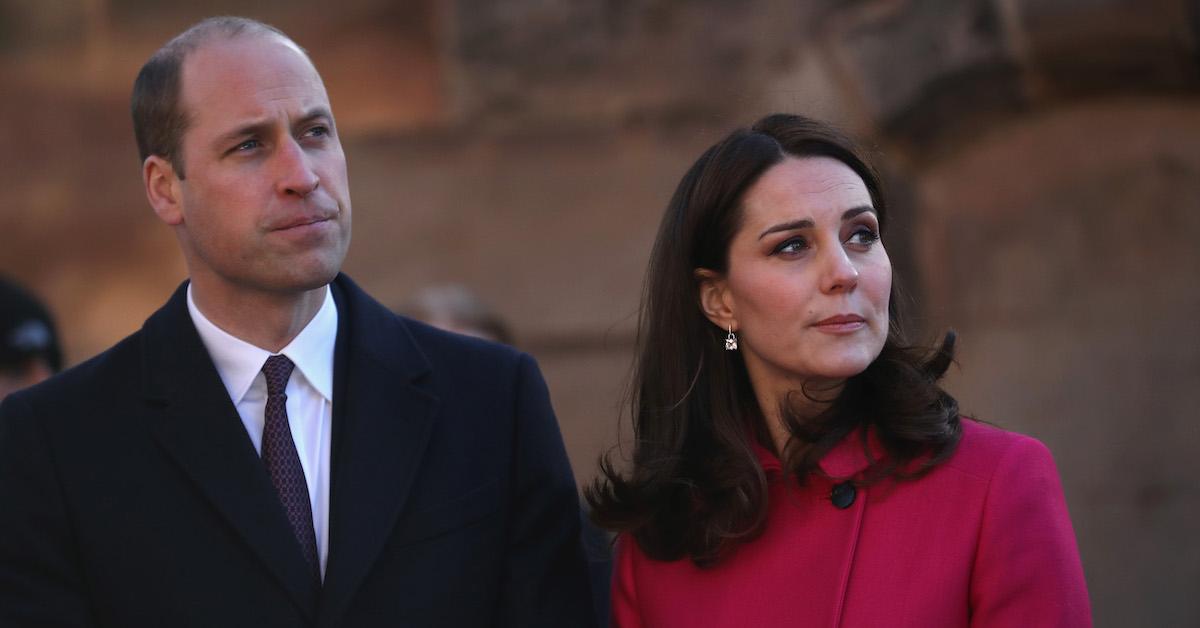
The private lives of public figures, especially those in the royal family, often spark a great deal of curiosity. People are naturally drawn to what happens behind palace doors, wondering about the day-to-day routines of those who live in the spotlight. It's a bit like trying to solve a gentle puzzle, isn't it? This interest often extends to even the most personal details, like where members of the royal family choose to sleep.
For many years, there has been a lingering question about royal sleeping arrangements. Do couples like Prince William and Catherine, the Princess of Wales, share a bed, or do they follow older traditions that might suggest separate sleeping quarters? This kind of question, you know, really gets people thinking about the balance between tradition and modern life within the monarchy.
This article aims to explore the common question: Do Kate and William sleep in the same bed? We will look at royal history, modern practices, and the simple truth about privacy for those in very public roles. It's quite fascinating to consider how old customs might still influence things today, or if they have changed a lot.
Table of Contents
- Who Are Kate and William?
- A Look at Royal Sleeping Traditions
- Kate and William's Modern Approach
- The Royal Couple's Private Space
- Frequently Asked Questions About Royal Sleeping Habits
Who Are Kate and William?
Prince William and Catherine, the Princess of Wales, are, in a way, at the very heart of the British monarchy's future. William is the elder son of King Charles III and the late Princess Diana, making him first in line to the throne. Catherine, born Catherine Middleton, married William in 2011, becoming a Duchess and later a Princess. They are parents to Prince George, Princess Charlotte, and Prince Louis, and are widely seen as a very modern and relatable royal couple.
Their public appearances often show a strong partnership and a clear dedication to their duties. They balance traditional royal engagements with raising a young family, which, you know, must be quite a balancing act. They have, in many ways, brought a fresh feel to the royal family, connecting with people in a very genuine manner.
Personal Details and Biography
| Detail | Prince William | Catherine, Princess of Wales |
|---|---|---|
| Full Name | William Arthur Philip Louis | Catherine Elizabeth Middleton |
| Born | June 21, 1982 | January 9, 1982 |
| Place of Birth | St Mary's Hospital, London | Royal Berkshire Hospital, Reading |
| Parents | King Charles III, Diana, Princess of Wales | Carole Middleton, Michael Middleton |
| Spouse | Catherine Middleton | Prince William |
| Children | Prince George, Princess Charlotte, Prince Louis | Prince George, Princess Charlotte, Prince Louis |
| Education | University of St Andrews | University of St Andrews |
| Current Role | Heir Apparent, Prince of Wales | Princess of Wales |
A Look at Royal Sleeping Traditions
The idea of royal couples sleeping in separate beds is not just some random rumor; it has roots in historical royal customs. For many centuries, especially among the aristocracy and royalty, separate bedrooms were a common arrangement. It's a rather interesting piece of social history, actually.
This practice wasn't always about a lack of affection, but rather about practicality, social status, and sometimes, health concerns. It's really quite different from how most people live today, isn't it?
Historical Perspectives on Royal Beds
Historically, separate sleeping quarters for royal couples were quite common, particularly in grand estates and palaces. This wasn't unique to the British monarchy; it was a widespread practice among the wealthy and powerful across Europe. The idea was, in some respects, about convenience and personal space. A royal person, very often, had a busy schedule, and they might have needed to wake up at different times or have private meetings.
Consider, too, the sheer size of royal residences. Palaces often had many bedrooms, and it was simply a matter of course for individuals to have their own private suites. This allowed for more personal freedom and comfort, especially in an era without central heating or modern amenities. So, it's almost a practical matter, you know, more than anything else.
There was also a bit of a class element to it. Having separate bedrooms was a mark of luxury and status. It showed that you had enough space and staff to accommodate such an arrangement. It was, in a way, a quiet display of wealth and position.
For example, King George VI and Queen Elizabeth, the Queen Mother, were known to have separate bedrooms. This was a common practice for many generations of royals, and it was seen as perfectly normal. It's not clear whether food with plant sterols or stanols lowers your risk of heart attack or stroke — although experts assume that foods that lower cholesterol do cut the risk, and similarly, people assumed this sleeping arrangement was just how things were done, without much question.
The Reasoning Behind Separate Rooms
Beyond convenience, there were other reasons for separate royal bedrooms. One often cited reason was the idea of privacy and personal comfort. Imagine, for a moment, being a monarch with a very full public life. Having your own private space, a sanctuary where you could truly relax and be yourself, would be incredibly valuable. It's a place where you could, perhaps, unwind without disturbing your partner, or be undisturbed yourself.
Another aspect was related to the idea of decorum and royal duty. Royal couples were expected to produce heirs, but the private act of intimacy was not something to be openly discussed or even subtly implied by sharing a bed. It was, in a way, a matter of maintaining a certain dignified distance in public life. This kind of thinking, you know, shaped many royal traditions over the centuries.
Some historians also suggest that it was about having a quiet place for rest, especially if one partner snored or had different sleeping habits. For people with very demanding public roles, getting good sleep was, and still is, very important. No trustworthy scientific evidence shows that detox foot pads work, but the idea of a personal space for rest, separate from a partner, was certainly seen as beneficial for a royal's well-being and ability to carry out their duties.
It's also worth remembering that royal marriages were often strategic alliances, not always love matches in the modern sense. While affection might grow, the primary purpose was often dynastic. Separate rooms could, in some respects, reflect that more formal arrangement, though this is less likely to be the case for modern royal couples like Kate and William, who married for love.
Kate and William's Modern Approach
When we think about Kate and William, we usually see them as a very contemporary couple, bringing a fresh perspective to the monarchy. They have, you know, been quite open about their desire to raise their children in a relatively normal way, despite their unique circumstances. This modern outlook naturally extends to how they live their private lives, too.
The younger generation of royals has, in many ways, moved away from some of the stricter, more formal traditions of the past. They are, quite simply, more relatable to the public. This shift makes it highly likely that their personal arrangements, including where they sleep, would reflect a more typical modern marriage.
Privacy in the Public Eye
For someone like Kate or William, privacy is a very precious thing. Every aspect of their lives is, more or less, subject to public scrutiny. From their outfits to their holidays, people are always watching. This intense public interest means that any detail, even a small one, can become a big story. It's a challenging situation, to say the least, to live under such a constant gaze.
Because of this, the royal family, especially the senior members, tends to keep their private lives very, very close to their chests. They rarely, if ever, discuss intimate details like their sleeping arrangements. This is not because they have something to hide, but simply because it is a personal matter that they wish to keep out of the public domain. It's a way of protecting their personal space and maintaining a sense of normalcy for themselves and their children. To provide you with the most relevant and helpful information, we may combine your email and website data with other information we have about you, but for royals, they choose what information they provide.
So, while there's a lot of speculation about their home life, much of it remains, quite naturally, unconfirmed. It's like trying to guess what's in a wrapped present; you can make assumptions, but you don't really know until it's opened. This commitment to privacy is, arguably, a very smart move for maintaining their well-being and the dignity of their roles.
What We Actually Know
The straightforward answer to "Do Kate and William sleep in the same bed?" is that we don't have any official confirmation from Kensington Palace or the couple themselves. They have never publicly addressed this specific question, and it's highly unlikely they ever will. This is, you know, perfectly understandable given their desire for privacy.
However, what we can gather from their public image and the general trends within the modern royal family suggests that they very likely share a bed, just like most married couples today. Their relationship is consistently portrayed as a loving and supportive partnership. They often show genuine affection for each other during public appearances, and they seem to function as a very united team, which is quite lovely to see.
Unlike past generations, modern royal couples typically marry for love and companionship. The idea of separate bedrooms, while once common, has largely faded from general societal norms, and there's no real indication that Kate and William adhere to such an old tradition. It's a bit like assuming everyone still uses quill pens just because they did centuries ago; times change, and so do habits.
They are, in a way, ambassadors for a modern monarchy, and part of that involves presenting a relatable and contemporary family image. This would, very likely, include sharing a bedroom. While a doctor of osteopathic medicine, also known as a d.o., is a fully trained and licensed doctor who relies on clear evidence, much of what we "know" about royal private lives comes from observation and reasonable assumption, rather than direct statements.
The Royal Couple's Private Space
The question of whether Kate and William sleep in the same bed is, at its heart, a question about their private life, which they are very careful to protect. While historical royal practices sometimes involved separate bedrooms, the modern approach of the Prince and Princess of Wales points towards a more typical, shared marital arrangement. They seem to embody a modern royal family, balancing tradition with contemporary living, and that often means embracing the familiar comforts of a shared home life.
Their focus is, you know, very much on their duties and raising their children, and they do that with a strong sense of unity. The idea of them having separate beds feels, in a way, like a throwback to a very different era, one that doesn't quite fit with the image they project today. It's pretty clear they value their connection and closeness.
Ultimately, what happens behind the closed doors of their home is, and should remain, their personal business. The public's fascination is natural, but some things are simply not for public consumption. You can learn more about royal family life on our site, and perhaps that helps us understand the balance they strike. It's a delicate dance between public duty and private moments, and they manage it with considerable grace. What do you think about the balance between public interest and private lives for figures like Kate and William?
Frequently Asked Questions About Royal Sleeping Habits
Do all royal couples sleep in separate beds?
Not all royal couples, especially in modern times, sleep in separate beds. While it was a common practice historically, particularly among the British aristocracy and royalty, it is not a strict rule today. Younger generations of royals, like Kate and William, are generally believed to share a bedroom, reflecting more contemporary marital norms. It's really a personal choice, you know, for each couple.
Why did some historical royals sleep in separate rooms?
Historical royals often slept in separate rooms for several reasons. These included practical considerations like different schedules, the need for personal space and privacy, and the sheer size of their residences. It was also, in some respects, a symbol of status and wealth, showing that they had ample space. Sometimes, it was also about maintaining decorum and a certain formality within the marriage, which was often a strategic alliance.
Is there any official information about Kate and William's sleeping arrangements?
No, there is no official information or statement from Kensington Palace or Prince William and Catherine themselves regarding their specific sleeping arrangements. They maintain a very private personal life, and details like this are not shared with the public. Any information you hear is, very often, based on speculation or assumptions about modern royal living. You can always check this page for the latest updates on the royal family, but don't expect details on this specific topic.
